

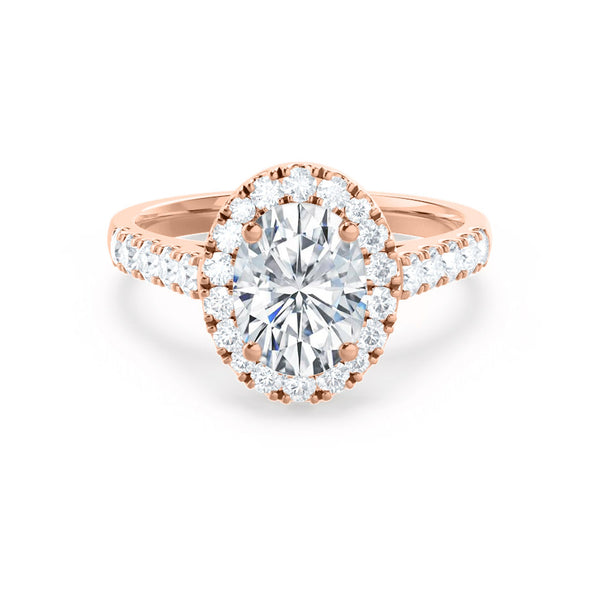
In an age where consumers are more informed and conscious about their choices than ever before, design has become a powerful tool in capturing attention and building lasting connections. The term “meaningful design” encapsulates more than just aesthetics—it is the intersection of function, emotional resonance, and purpose. For modern buyers, design is no longer just about what a product looks like but about how it makes them feel and how it aligns with their values. A prime example of a brand that embodies the principles of meaningful design is lily arkwright, which demonstrates the power of crafting designs that not only meet practical needs but also resonate on a deeper emotional level.
One of the key reasons meaningful design has such a profound impact on modern buyers is the shift toward more intentional purchasing decisions. Consumers today want to feel connected to the products they buy, and they are increasingly drawn to brands that tell a story or reflect values that are important to them. Whether it’s a sustainable approach to materials, a commitment to craftsmanship, or an emphasis on innovation, meaningful design creates an emotional bond that goes beyond the product itself. For instance, a luxury brand that emphasizes ethical sourcing of materials or a tech company that prioritizes eco-friendly manufacturing methods appeals to buyers who care about the impact of their purchases.
Meaningful design also speaks to the increasing demand for personalization and individuality. In a crowded market, standing out requires more than just flashy advertisements or one-size-fits-all offerings. Consumers are now looking for products that are unique to them, that cater to their specific tastes and needs, and that reflect their identity. Designers who understand this trend create products with the ability to be tailored to individual preferences, whether through customizable features, color options, or the ability to add a personal touch. This shift toward personalized experiences has led to the rise of brands that offer highly customizable products, giving buyers a sense of ownership and pride in what they purchase.
Additionally, meaningful design plays a crucial role in building trust with modern buyers. In a world where information is readily available, consumers are quick to identify when a brand is simply jumping on trends or making superficial claims. Brands that prioritize thoughtful, meaningful design demonstrate authenticity, which is a quality that buyers value more than ever. When design decisions are made with intention and purpose—whether it’s in the choice of materials, the functionality of a product, or the longevity of its design—it fosters a sense of reliability and trustworthiness. Consumers are far more likely to invest in a product they feel confident will stand the test of time, both in terms of quality and relevance.
The power of design also lies in its ability to simplify the complex. As our lives become increasingly busy and cluttered with information, the desire for simplicity has grown. Meaningful design can help cut through the noise by creating products that are intuitive to use, aesthetically pleasing, and easy to integrate into everyday life. This is especially true in industries like tech, where sleek, minimalistic designs are often associated with a better user experience. When design simplifies the consumer journey, it enhances satisfaction and builds long-term loyalty.
Finally, meaningful design appeals to modern buyers because it aligns with their broader lifestyle and aspirations. In an era where consumers are looking to make choices that reflect their personal values—whether it’s through sustainable products, ethical business practices, or socially responsible brands—design plays an integral role in communicating these values. Brands that succeed in creating products that resonate on both a functional and emotional level tend to attract buyers who are not just seeking products, but experiences that enhance their lives in a meaningful way.
In conclusion, the resonance of meaningful design with modern buyers can be attributed to its ability to evoke emotion, align with personal values, and offer authenticity and personalization. As buyers become more discerning in their choices, the products they purchase must speak to more than just practical needs—they must connect on a deeper, more meaningful level. Brands like lily arkwright exemplify how design, when executed thoughtfully and with purpose, can not only attract attention but foster lasting relationships with consumers. Meaningful design is no longer a luxury—it is an expectation that modern buyers demand from the brands they choose to support.